

Search Results
Promotional Stationery

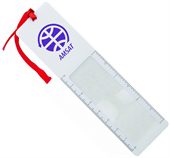
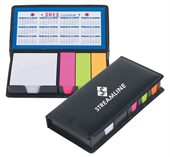
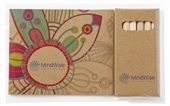

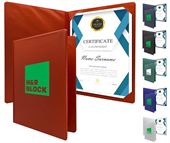



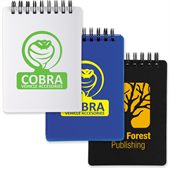
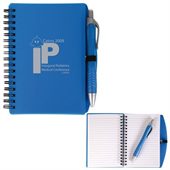





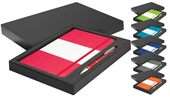

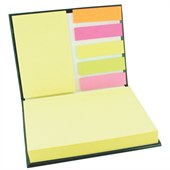
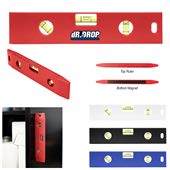
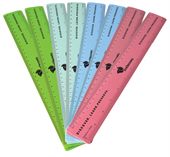
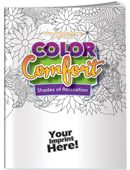
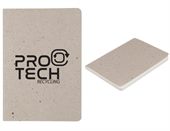
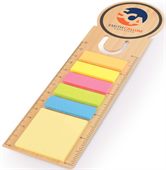
Promotional stationery covers a broad range of products used in offices, schools, conferences and workplaces every day. The category includes notebooks, notepads, sticky notes, rulers, clipboards, calendars, journals and desk accessories, with Notebooks and Notepads remaining two of the most frequently ordered items. Unlike many promotional products that are used occasionally, stationery is often written on, referred to and kept within easy reach throughout the working day. This ongoing interaction is one reason branded stationery continues to be used for conferences, staff onboarding, client gifts and everyday office requirements.
Stationery products are commonly used by businesses, government departments, schools, universities and community organisations. They are distributed at conferences, training sessions, seminars and corporate events, while many products also become part of a recipient's daily workspace. Notebooks and notepads remain particularly popular because they combine a large branding area with genuine day-to-day use.
Some Popular Stationery





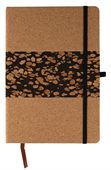
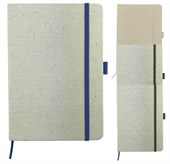
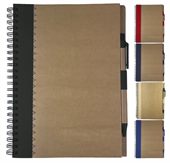



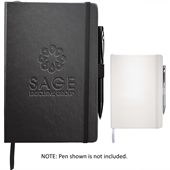



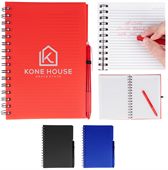

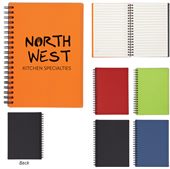
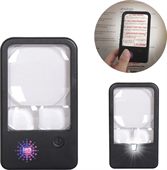
Why People Still Write Things Down
Despite the widespread use of laptops, tablets and smartphones, written notes remain an important part of meetings, training sessions and day-to-day work. Notebooks are often used to capture information that needs to be retained and reviewed later, while notepads are commonly used for reminders, phone messages and quick reference notes. Writing information by hand can also help with recall and information retention, which is one reason notebooks continue to be used in workplaces, educational settings and professional development programs.
The difference between a notebook and a notepad is often determined by how the information will be used. A notebook is generally intended to store notes over weeks or months, making it useful for projects, meetings and training courses. A notepad is more commonly used for short-term information that may only be needed for a few hours or days. This distinction explains why many organisations distribute both products rather than treating them as interchangeable stationery items.
Research has shown that writing notes by hand can improve information retention because the brain processes information differently when writing compared with typing. This is one reason notebooks continue to be widely used in meetings, training sessions and educational environments.
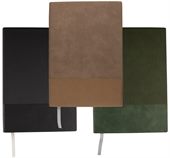
Notebooks are generally used for everyday note-taking, meetings and project work, while journals are often designed for more structured entries such as planning, goal setting or personal reflections. The distinction is not always strict, but journals usually follow a more organised format.
For general note-taking, paper between 70gsm and 100gsm is commonly used. Heavier paper reduces ink show-through and can provide a better writing experience, particularly when using rollerball pens, gel pens or markers.
Binding style plays a major role. Wire-bound notebooks and some premium stitched notebooks are designed to open more easily and remain flat on a desk, making them more comfortable for writing across the full page.
Hardcover notebooks generally provide greater protection and durability, particularly when carried in bags or used regularly on the move. Softcover notebooks are often lighter and more flexible, making them easier to carry but slightly more susceptible to wear.
Suzanne from our sales team says: Many buyers focus on notebook size and cover material but forget to compare the number of sheets inside. Two notebooks can look almost identical from the outside yet offer very different writing capacity. Checking the page count often provides a better indication of long-term value than the cover alone.
Stationery That Gets Used Repeatedly
Stationery remains a strong promotional category because many products become part of a person's daily routine rather than being used once and forgotten. Notebooks and notepads continue to be popular because they are used in meetings, training sessions and workplaces where information needs to be recorded quickly and accessed later. Journals, calendars, sticky notes and desk accessories each serve different functions, but they share one characteristic: regular interaction. Understanding how the product will be used often helps determine whether a notebook, notepad, journal or another stationery item is the better fit. If you need help comparing the available options, our team can assist.