

Search Results
USB Flash Drives
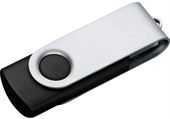
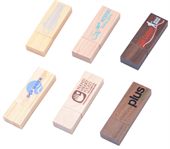
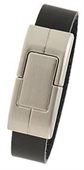
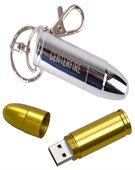
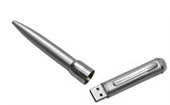

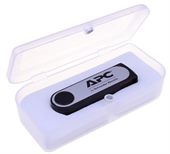
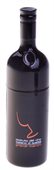
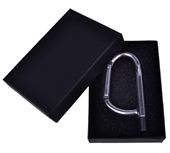
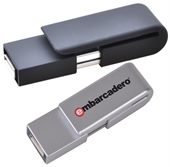
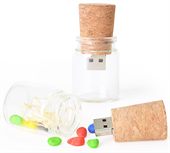
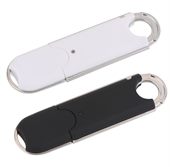
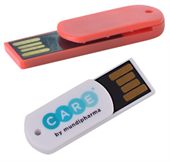
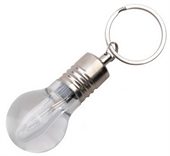
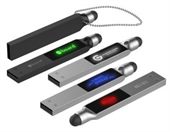
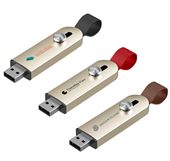
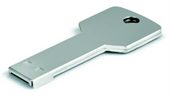
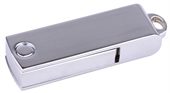
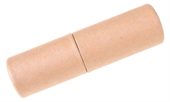
Promotional USB flash drives remain a practical way to distribute digital information while providing long-term branding exposure. The category includes Metal USB Memory Sticks, Plastic USB Flash Drives, eco-friendly USB drives, leather USBs and specialty designs such as pen USB memory sticks. While cloud storage has become more common, USB flash drives continue to be widely used for transferring large files, distributing presentations, storing training material and sharing digital resources where internet access may be limited or unavailable.
USB flash drives are commonly used by businesses, educational institutions, government departments and event organisers. They are frequently distributed at conferences, training programs, product launches and client meetings where digital documents, videos, software or presentations need to be supplied. Their ability to combine data storage with a physical branded product continues to make them a unique category within promotional technology products.
Some Popular USB Flash Drives










Storage Capacity Versus Real Usage
One of the most common misconceptions about USB flash drives is that bigger storage capacity is always better. In reality, the most suitable capacity depends on the type of files being distributed. Product catalogues, PDFs, presentations and office documents require relatively little storage, while training videos, high-resolution photography and software installations can quickly consume several gigabytes. This is why USB flash drives are available in a wide range of capacities, allowing organisations to match the storage device to the content rather than paying for unnecessary space.
Transfer speed can be just as important as capacity. A USB drive storing large video files may have ample space available but still feel slow if the data transfer rate is limited. For recipients regularly moving large files between devices, the speed of the drive often has a greater impact on the user experience than the storage size itself. Understanding the balance between capacity and performance helps explain why not all USB flash drives are built to the same specification.
If you are pre-loading large files like high-definition video or complex software, USB 3.0 is a requirement for a good user experience. It transfers data significantly faster than USB 2.0, which prevents the client from getting frustrated while waiting for files to load. For basic PDFs or small documents, USB 2.0 is still a reliable and budget-friendly option.
Yes, we can pre-load your product catalogues, training materials, or event videos before the drives are branded and shipped. This ensures your content is in the hand of the people you give them to immediately and turns the USB into a functional marketing tool. We can also "lock" the data so it cannot be deleted, ensuring your message stays on the drive for its entire life.
Our sales consultant, Kyle, says: "Custom-shaped PVC drives cost a bit more upfront due to the mould fee, but the brand recall they deliver is massive. When you hand someone a USB in the exact shape of your product or building, it becomes a keepsake rather than just another piece of tech. It’s the perfect choice for an anniversary or a major product launch where you want to be remembered."
We only use Tier-1 flash memory chips in our USB drives to ensure data integrity and long-term reliability. Cheap unbranded memory often fails within weeks, which reflects poorly on your business. By sticking with quality internal components, you can be sure your branded drives will be used safely for years of data transfers.
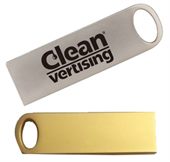
Laser engraving is the standard for metal USB drives because it is permanent and provides a clean, silver-grey finish. It won't scratch off even if the drive is kept on a keyring with metal keys. For plastic or eco-friendly drives, pad printing or full-colour digital printing allows for vibrant logos that match your corporate identity perfectly.
Matching Capacity To The Content
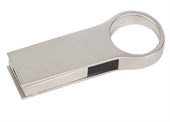
USB flash drives continue to offer a simple way to distribute digital content in a physical format that recipients can keep and reuse. Plastic USB flash drives remain popular for conferences and large-scale distributions, while metal USB memory sticks are often selected when durability and presentation are important considerations. Capacity, transfer speed and construction quality can all influence the user experience, particularly when storing large files such as videos, image libraries and software. Rather than focusing solely on storage size, it is often worth considering the type of content being distributed and how recipients are likely to use the device. If you need help comparing the available options, our team can assist.