

Search Results
Custom Medallions
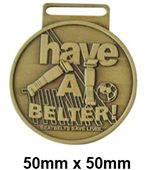
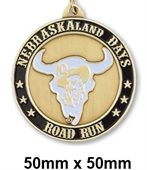
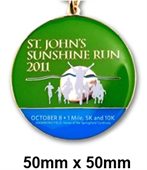
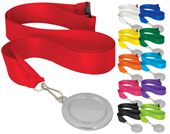
Branded medallions come down to two things, the way they're made and the metal they're made from. Get those right and the rest follows. Brass die struck medallions are pressed from solid metal and give you the crispest lettering in the range. Iron die struck medallions use the same pressing method at a lower cost, so they suit participation awards where every entrant walks away with one.
If your design won't sit neatly in a circle, look at die cast medals. They're formed in a mould, so cut-outs, unusual outlines and sculpted features are all on the table. For sports days and competitions with placings to fill, gold, silver and bronze podium medals are the quick answer. Branded medallions turn up at school carnivals, corporate service awards, community events and club finals, and people tend to hang onto them for years.
Some Popular Medallions
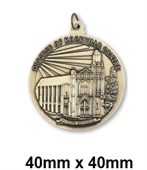


Pressed metal versus moulded metal, explained
Die striking works by pressing your design between two dies. The result is raised and recessed metal with clean edges, which suits logos, text and the traditional round medal look. Die casting goes the other way. The metal fills a mould, so the shape can follow your artwork, with open areas and layered 3D detail that a press can't produce. That's the real choice to make, and the artwork should drive it.
Inside the die struck group, brass and iron split by feel and budget. Brass has more weight and a polished presence, which is why it gets picked for championships, milestones and corporate recognition. Iron keeps the detailed pressed finish and brings the cost down for larger events. Finishes then change the character again. Antique plating shades the recessed areas and lifts the detail, while bright gold, silver and bronze give a cleaner, shinier result. Some promotional medallions in the range are die struck with your design, and others can be engraved, printed or finished with epoxy doming, depending on the style. Podium medals sit apart from all this, ready to go in the three placing colours for straightforward sports results.
Die struck medallions are pressed between dies, giving crisp raised and recessed detail on round or shaped designs. Die cast medallions are formed in a mould, which allows custom outlines, internal cut-outs and sculpted 3D features.
Brass medallions are heavier and show fine detail with a polished, prestigious feel. Iron medallions keep the same pressed detail at a lower cost, which makes them a sensible pick for participation awards at larger events.
Die struck brass suits a workplace service award, since it is heavier and shows fine detail with a polished, prestigious feel. A detailed crest for a twenty-year milestone reads crisply in brass, giving the award the weight the occasion deserves.
Die struck brass medallions give the sharpest lettering in the range, because the pressing process forms clean, defined metal lines. Small text and detailed logos read clearly, especially on the larger sizes.
An antique finish suits designs with lots of raised detail, since the shaded recesses make every line stand out. A bright gold, silver or bronze finish suits simpler artwork that looks best with a clean, shiny surface.
Jennifer from our sales team says: Plenty of buyers start by asking for die cast or die struck, but the artwork is what points to the right production method. Look at your design first, and the process that will give it the strongest result becomes clear.
Getting the metal and method right
Lay your artwork next to the event it's for. A detailed crest for a twenty-year service award belongs in brass, a sponsor-heavy fun run design works in iron, and a logo with gaps or an unusual outline needs die casting. Sorting those two calls first saves a lot of back and forth on custom medallions later, and the finish is then a much easier decision.