

Search Results
Promotional Clothing & Apparel
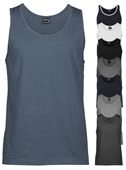
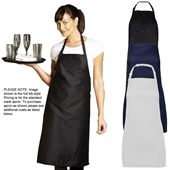
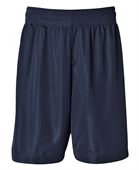
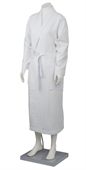
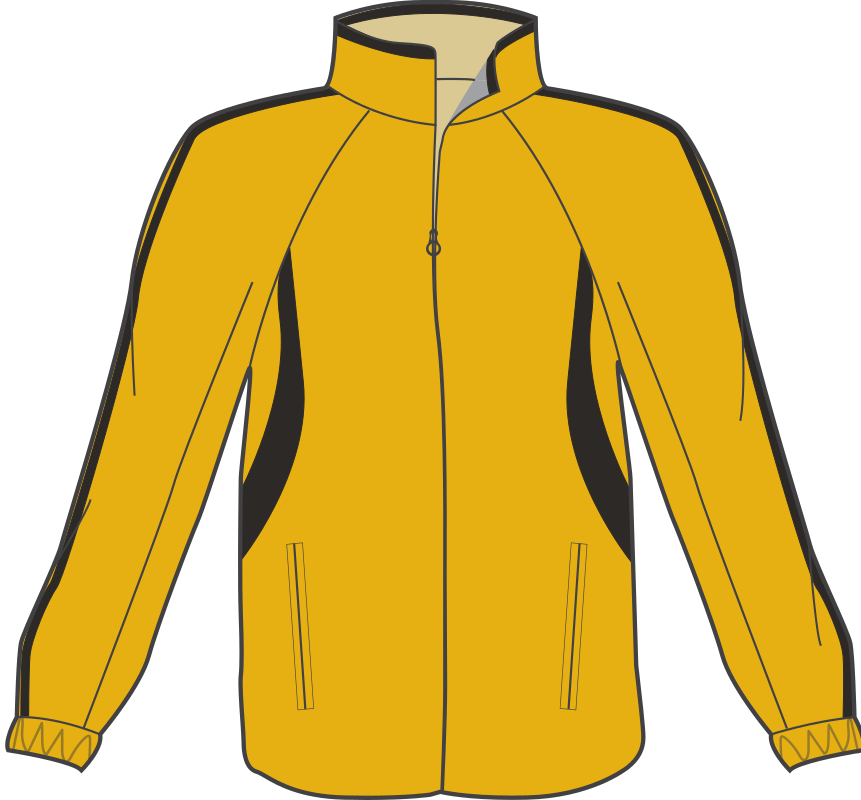

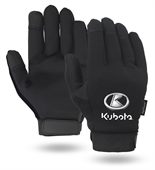
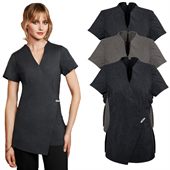
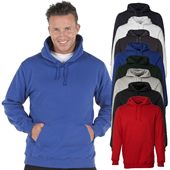
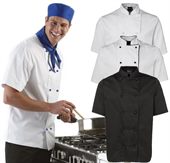
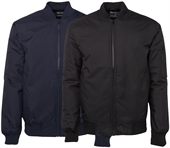
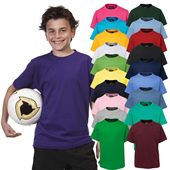
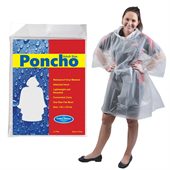
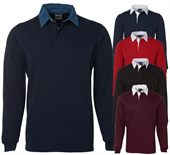
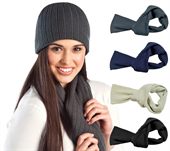
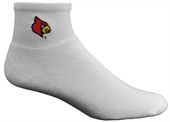
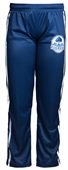
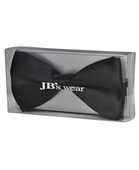
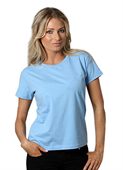
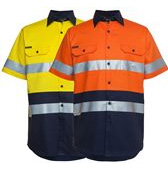
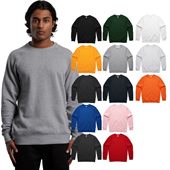
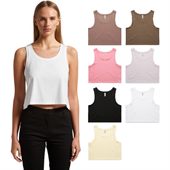
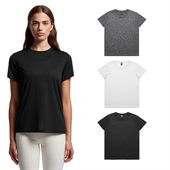
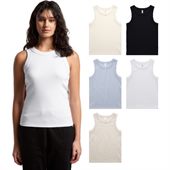
Promotional clothing covers a wide range of garments designed for workplaces, events, hospitality, sport and everyday wear. Popular categories include Polo Shirts and T-Shirts, alongside workwear, jackets, hoodies, business shirts, hospitality clothing and specialised uniforms. Different garments are designed for different environments, with variations in fabric weight, construction, fit and performance characteristics.
Clothing products are commonly used by businesses, schools, sporting clubs, hospitality venues, healthcare providers and community organisations. Some garments are intended for outdoor work and high-visibility applications, while others focus on professional presentation, warmth, comfort or team identification. The category includes both casual and occupational apparel designed to meet a broad range of workplace and recreational requirements.
Some Popular Clothing
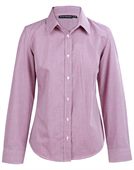
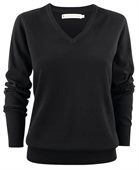
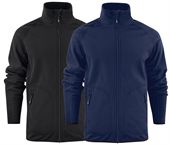
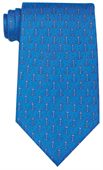
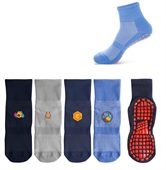

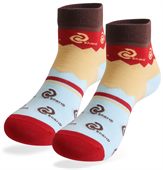
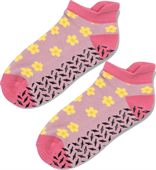
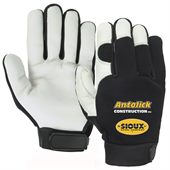
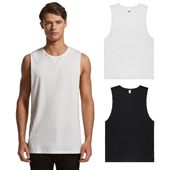
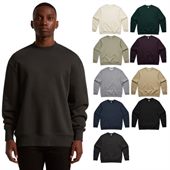
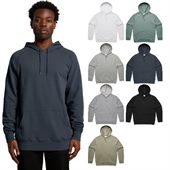
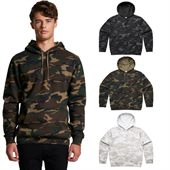
How Clothing Fabrics Affect Comfort & Durability
The fabrics used in clothing play a significant role in determining comfort, breathability, durability and suitability for different environments. Cotton is widely used because of its soft feel and natural fibres, while polyester is valued for its strength, colour retention and moisture management properties. Many garments use blended fabrics to combine the benefits of multiple materials, creating clothing that balances comfort with long-term wear resistance.
Fabric weight and construction can also influence how a garment performs throughout the day. Lightweight materials are often preferred for activewear and warmer conditions, while heavier fabrics provide additional durability and insulation. Understanding these differences helps explain why certain materials are commonly found in workwear, polo shirts, jackets, hoodies and hospitality apparel.
Cotton-polyester blends usually beat 100% cotton for durability. They hold their colour better and don't come out of the wash looking like a different size.
Embroidery looks more professional on polos. Printing is cheaper for large runs of t-shirts and handles fine detail better than thread.
Shape retention is influenced by fabric composition, knit structure and garment construction. Polyester blends and higher-quality ribbed collars often maintain their appearance longer than garments made from lighter-weight materials.
Not necessarily. While heavier fabrics can provide greater abrasion resistance, durability is also affected by fibre type, weave or knit construction, stitching quality and how the garment is used.
Repeated washing, UV exposure, fabric type and dye quality can all affect colour retention. Some synthetic fibres generally retain colour longer than natural fibres when exposed to regular sunlight and laundering.
Cotton garments can experience some shrinkage, particularly if exposed to high washing or drying temperatures. Pre-shrunk fabrics help minimise this effect, although care instructions still play an important role.
Claire from our sales team says: Collar curl is often caused by differences in how the collar and body fabrics react during washing and drying. Higher-quality rib knit collars and following the recommended care instructions can significantly improve how well a polo shirt maintains its shape over time.
Clothing Fabrics, Garments & Workplace Applications
The clothing category includes a diverse range of garments designed for workplaces, hospitality venues, sporting organisations, schools and outdoor environments. Products such as polo shirts, T-shirts, jackets, hoodies, workwear and business shirts differ in their fabric composition, construction methods and intended use. Factors including breathability, durability, insulation, flexibility and comfort all influence how a garment performs throughout its lifespan. Understanding these characteristics can help when comparing clothing options for different industries, climates and working conditions. If you need help comparing the available options, our team can assist.