
Search Results
Woven Lanyards
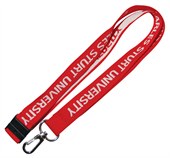
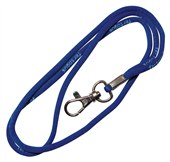

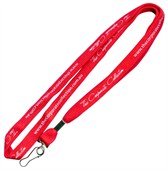
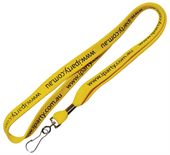
Woven lanyards differ from printed lanyards in one fundamental way: the design is woven into the material rather than applied to its surface. This range covers three distinct constructions. The polyester woven lanyard uses a reverse out weave technique, where the design appears on the opposite side of the lanyard. The rope style lanyard features a small weave design within a rope construction. The corporate woven lanyard combines a satin ribbon woven with your logo, stitched to a soft polyester base. Several widths are available across the range, and each lanyard comes with a choice of metal j-hook or alligator clip included in the price.
A corporate team attending a major conference presents more cohesively when every staff member wears the same lanyard. The woven construction gives a consistent finish across large orders, and the satin ribbon style suits organisations that want their branding to reflect the level of the event.
All woven lanyards in this range carry your logo as part of the fabric itself. The integration of design into construction is what separates these from printed alternatives.
Common Questions
What is the difference between woven and printed lanyards?
Woven lanyards have the design integrated into the fabric during construction. Printed lanyards have the design applied to the surface, which can wear over time in ways that a woven design does not.
What materials are used in woven lanyards?
The polyester and rope style lanyards use a polyester base. The corporate style uses a satin ribbon woven with your logo, stitched onto a soft polyester lanyard.
What widths are available for woven lanyards?
Several different widths are available across the range. Width options affect how much design detail can be reproduced in the weave, so it is worth considering your logo complexity when choosing.
What is the minimum order for woven lanyards in Australia?
The corporate satin ribbon style has a minimum order of 250 units. The polyester woven and rope style lanyards require a minimum of 500 units.