

Search Results
Custom Printed Clocks
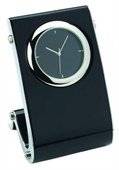

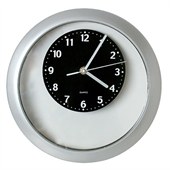
Promotional clocks include products designed for displaying, measuring and managing time in workplaces, homes and shared environments. Popular categories include Desk Clocks and Wall Clocks, along with timers used for cooking, exercise, productivity and workplace activities. Different products vary in size, display format and intended location, ranging from compact desktop models through to larger wall-mounted designs.
Timekeeping products are commonly found in offices, meeting rooms, reception areas, kitchens, classrooms and home workspaces. Some products are designed to provide constant visibility from across a room, while others focus on personal desk use or countdown timing functions. Display style, power source and mounting method are among the factors that distinguish different clock types within the category.
Some Popular Clocks
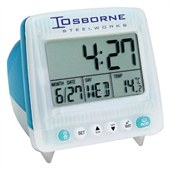
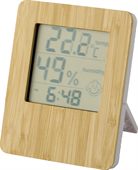
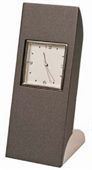
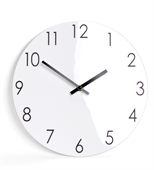
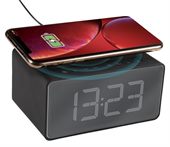
How Clock Design Affects Visibility & Timekeeping
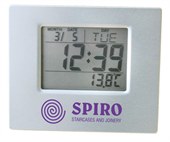
Different clock designs are intended to make time easier to read in different environments. Wall clocks typically feature larger faces and numerals so they can be viewed from across a room, while desk clocks are designed for close-range viewing on workstations and reception desks. Display layouts can vary from traditional analogue faces with hour and minute hands through to digital formats that provide additional information such as date, temperature or alarm settings.
Factors such as dial size, contrast, numeral style and hand design can influence readability throughout the day. Clocks intended for meeting rooms, classrooms and reception areas often prioritise visibility at greater distances, whereas personal desk clocks may incorporate extra functions alongside basic timekeeping. These design differences help determine where a particular clock style is most effective.
It depends on the environment and personal preference. Analogue clocks can make it easier to visualise the passage of time at a glance, while digital clocks provide an exact reading without requiring interpretation of hands and markers.
Clocks intended for larger spaces generally require larger faces and clear numerals so they remain readable from across the room. The ideal size depends on viewing distance, wall placement and the amount of surrounding visual clutter.
Readability is influenced by factors such as dial size, numeral design, contrast and hand thickness. High-contrast faces with large numerals are generally easier to read from further away than decorative or highly detailed designs.
Quartz clocks are generally very accurate and may only gain or lose a small amount of time over several months. Temperature changes, battery condition and movement quality can all influence long-term accuracy.
Common causes include ageing batteries, temperature fluctuations, component wear and movement quality. While quartz clocks are highly reliable, small variations in accuracy can still occur over extended periods.
David from our sales team says: The ticking sound usually comes from the movement rather than the hands themselves. As internal components wear, friction can increase and make the mechanism more noticeable. Lower-cost movements are often more prone to developing audible ticking after years of continuous operation.
Timekeeping Products For Offices, Workspaces & Shared Areas
Clocks and timers are used in a wide range of environments where accurate and visible timekeeping is important. Wall clocks provide clear visibility across offices, meeting rooms and communal spaces, while desk clocks place time, date and other information within easy reach of individual users. Timers serve a different purpose by measuring specific intervals for activities such as cooking, exercise, presentations and workplace tasks. Understanding the differences between display styles, movement types and viewing requirements can help when comparing products within this category. If you need help comparing the available options, our team can assist.